
Smart Growth Stack 2026: The Best Shopify Apps Small Stores Actually Need (Without Killing Speed)
 Deepak Kharware
Summary
This in-depth guide explores the best Shopify apps for small stores trending in 2026, focusing on performance, affordability, and long-term growth. Instead of listing dozens of tools, it explains how to build a smart app stack that improves conversions, SEO, speed, and customer trust without slowing your store. Ideal for beginners and growing brands, the blog highlights essential apps, common mistakes to avoid, and future-ready strategies that support organic traffic and Google AdSense approval.

Introduction: Why “More Apps” Is No Longer the Right Strategy
In the early days of Shopify, store owners believed that installing more apps meant more features, more conversions, and more sales.
By 2026, this mindset has completely changed.
Today, small Shopify stores fail not because they lack apps, but because they use too many of them.
Each unnecessary app adds:
-
Extra scripts
-
Slower load time
-
Higher monthly cost
-
Poor Core Web Vitals
-
Lower Google trust
The modern approach is to build a smart growth stack — a small set of carefully chosen apps that:
-
Solve real problems
-
Work well with free themes
-
Do not hurt performance
-
Support SEO and AdSense
-
Scale with your business
This guide focuses only on apps that make sense for small stores in 2026, not enterprise-only tools or hype-driven software.
How This Blog Is Different From Other “Best Shopify Apps” Articles
Most app roundups:
-
Are affiliate-focused
-
List 30–50 apps with no context
-
Ignore performance impact
-
Don’t consider beginners or small budgets
This guide:
-
Explains why an app is needed
-
Tells you when NOT to use an app
-
Focuses on low-cost or high-ROI tools
-
Prioritizes speed, SEO, and trust
Think of this as a decision guide, not just a list.
1. Store Foundation Apps: Apps That Replace Manual Work
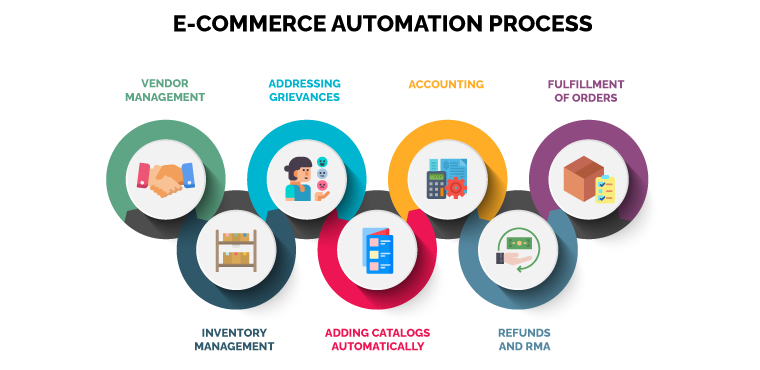
Why Small Stores Need Foundation Apps
When you are running a small store, time is your biggest limitation.
Foundation apps handle boring but essential tasks, so you can focus on content, products, and customers.
🔹 Shopify Inbox (Free & Native)
Instead of adding third-party chat tools that slow your store, Shopify Inbox is built directly into Shopify.
What it helps with:
-
Real-time customer questions
-
Faster response times
-
Trust building
-
Reduced abandoned carts
Why it’s trending in 2026:
-
Zero performance impact
-
AI-assisted replies
-
Native integration with orders and products
📌 Best for stores that want live chat without speed loss.
🔹 Shopify Flow (Automation Without Coding)
Shopify Flow allows you to automate actions like:
-
Tagging customers
-
Managing fraud alerts
-
Sending internal notifications
-
Handling repetitive admin tasks
For small stores, this means:
-
Less manual work
-
Fewer mistakes
-
More consistency
You don’t need advanced workflows — even simple automation saves hours monthly.
2. Conversion Apps That Respect Speed (Not Pop-Up Spam)
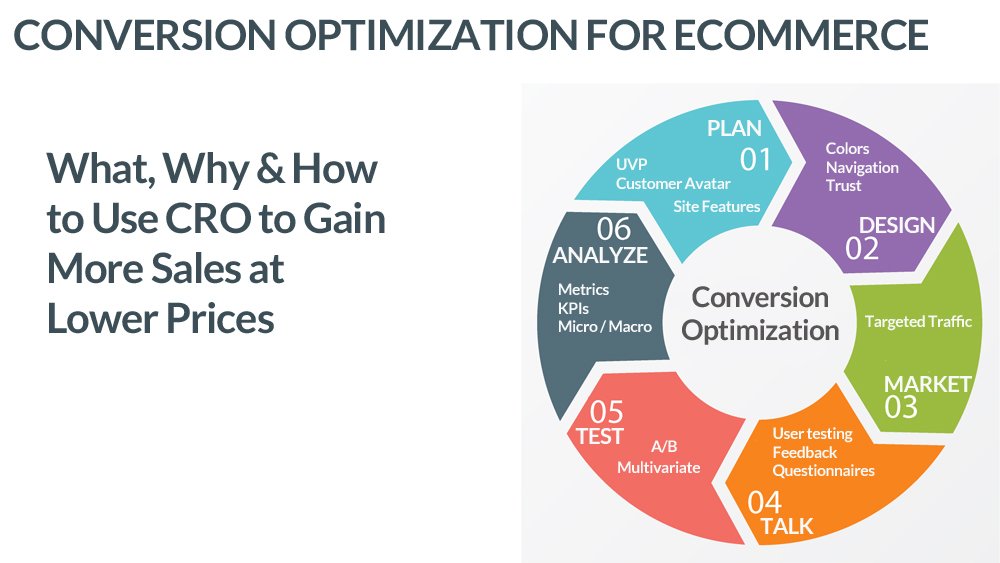
The Conversion Problem in Small Stores
Small stores don’t suffer from low traffic alone — they suffer from low trust.
The right conversion apps focus on:
-
Credibility
-
Clarity
-
Confidence
Not pressure tactics.
🔹 Judge.me (Product Reviews That Load Fast)
Judge.me remains one of the most trusted review apps in 2026 because:
-
It is lightweight
-
SEO-friendly
-
Affordable
-
Google-rich snippet compatible
Reviews help:
-
New visitors trust your store
-
Product pages rank better
-
Conversion rates increase naturally
📌 Avoid review apps that inject heavy scripts.
🔹 Shopify Native Checkout Customization
In 2026, Shopify’s native checkout features have reduced the need for third-party apps.
Small stores can now:
-
Customize checkout text
-
Add trust messaging
-
Simplify the purchase flow
This means fewer apps and faster checkout.
3. SEO & Content Apps: Growth Without Ads

Why SEO Apps Matter More Than Ever
Paid ads are expensive.
SEO is slow but sustainable.
For small stores, SEO apps act as guides, not magic buttons.
🔹 SearchPie SEO or Similar Lightweight SEO Tools
These tools help with:
-
Meta title optimization
-
Broken link checks
-
Basic on-page SEO guidance
-
Structured SEO workflows
They do NOT:
-
Replace content strategy
-
Guarantee rankings
But they help beginners avoid common SEO mistakes.
🔹 Blog & Content Enhancement Tools
Apps that improve:
-
Table of contents
-
Internal linking
-
Content layout
These are especially useful if your store:
-
Runs AdSense
-
Publishes long-form blogs
-
Targets organic traffic
📌 Content + clean design = Google trust.
4. Email & Retention Apps: Small Lists, Big Impact

Why Email Still Wins in 2026
Email is:
-
Owned traffic
-
Cost-effective
-
High ROI
Small stores benefit more from email than ads.
🔹 Shopify Email (Underrated & Powerful)
Shopify Email has evolved significantly:
-
Built-in templates
-
Segmentation
-
Analytics
-
Automation basics
It’s ideal for:
-
Beginners
-
Budget-focused stores
-
AdSense-friendly sites
You don’t need complex automation early — consistency matters more.
🔹 Klaviyo (Only When You’re Ready)
Klaviyo is powerful but not beginner-friendly.
Use it only when:
-
You have steady traffic
-
You understand funnels
-
You can justify the cost
For many small stores, Shopify Email is enough.
5. Analytics & Insight Apps: Understand, Don’t Guess

Why Analytics Matter for Small Stores
Without data:
-
You guess
-
You copy competitors
-
You waste money
With data:
-
You improve pages
-
You fix drop-offs
-
You grow intentionally
🔹 Shopify Analytics (Built-In but Underused)
Most store owners ignore:
-
Behavior flow
-
Returning customer rate
-
Top landing pages
In 2026, Shopify analytics are more than enough for small stores if used correctly.
6. Performance & Speed Apps: Invisible but Critical

Why Speed Is a Ranking & Revenue Factor
Slow stores:
-
Rank lower
-
Convert less
-
Get rejected by AdSense more often
🔹 TinyIMG or Similar Image Optimization Apps
These apps:
-
Compress images
-
Improve load time
-
Don’t affect design
This is one of the highest ROI apps for small stores.
Apps You Should Avoid Early
Avoid apps that:
-
Add multiple popups
-
Inject large scripts
-
Duplicate Shopify native features
-
Promise “instant sales”
Speed loss = silent killer.
7. AI Apps: Assist, Don’t Automate Everything

AI in 2026 is powerful — but dangerous if misused.
Use AI to:
-
Draft content
-
Suggest improvements
-
Answer FAQs
Do NOT:
-
Publish raw AI content
-
Auto-generate blogs at scale
-
Replace human review
Google rewards edited, helpful AI-assisted content, not automation spam.
Final Thoughts: Build a Stack, Not a Dependency
The best Shopify stores in 2026:
-
Use fewer apps
-
Focus on content and trust
-
Respect speed and UX
-
Grow organically
-
Scale intentionally
Apps should support your business, not run it.
If your store feels fast, clear, and helpful —
Google, customers, and AdSense will trust it.


