
Why Shopify Businesses Succeed in 2026: The Role of Partners, Themes & Platform Power
 Deepak Kharware
Building a profitable online business in 2026 is no longer just about launching a website. The real challenge lies in choosing an ecosystem that reduces technical friction, adapts to rapid market changes, and allows founders to focus on growth rather than maintenance. This is where Shopify, its partner ecosystem, and the Shopify Theme Store work together as a complete business-enablement system—not just a store builder.
Many articles describe Shopify as an “easy platform,” but that description hides the real value. Shopify’s true strength lies in how its platform, partners, and themes combine to solve real business problems like scalability, speed, conversion optimization, and long-term sustainability. This guide explains how that system works in practice and why it continues to help businesses become profitable in 2026.
The Core Problem Most Online Businesses Face in 2026
The biggest problem for online businesses today is operational overload. Founders are expected to manage technology, marketing, performance, security, compliance, design, and customer experience—often with limited resources. Traditional platforms push these responsibilities onto business owners, increasing failure rates.
Shopify takes a fundamentally different approach. Instead of giving you tools and leaving you alone, Shopify provides a managed commerce infrastructure supported by a global partner network and a standardized theme ecosystem. This combination removes friction at every stage of business growth.
Shopify as the Business Foundation (Not Just a Store Builder)
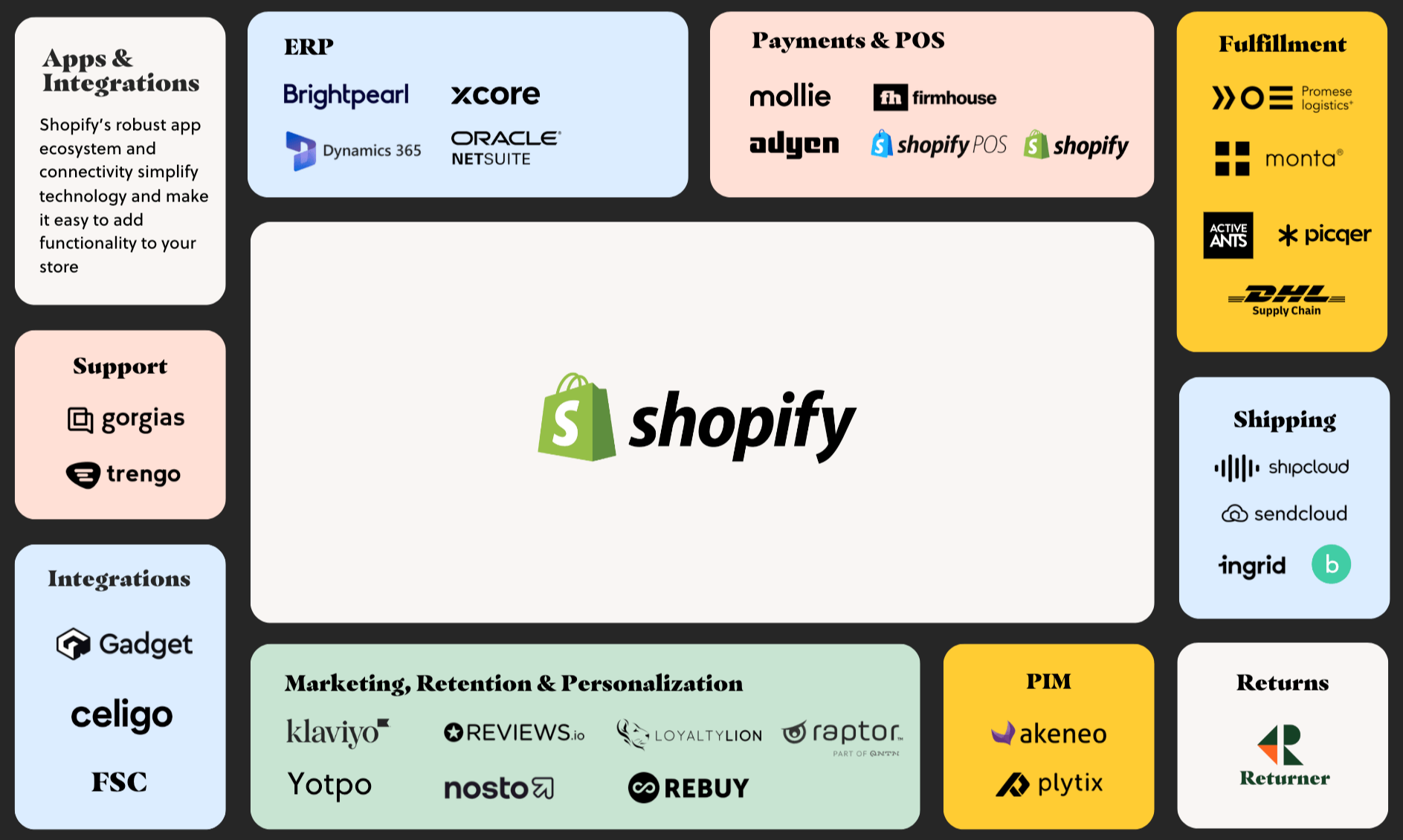
Shopify acts as the central nervous system of your online business. It handles hosting, security, checkout, payments, inventory logic, and performance optimization. In 2026, Shopify’s infrastructure is optimized for global commerce, AI-driven insights, and compliance with evolving regulations.
What makes Shopify powerful is not just what it includes, but what it removes from your workload. You do not worry about server scaling during traffic spikes, PCI compliance for payments, or security patching. These are solved problems within Shopify’s platform.
Official Shopify overview:
https://www.shopify.com/
How Shopify Solves the Profitability Problem
Profitability depends on margins, efficiency, and conversion—not just traffic. Shopify improves profitability by reducing hidden costs such as downtime, technical debt, and failed experiments. Faster stores convert better. Reliable checkout reduces cart abandonment. Built-in analytics help identify what actually drives revenue.
In 2026, Shopify’s AI-powered features further enhance decision-making by surfacing insights about customer behavior, product performance, and operational inefficiencies. These are advantages that directly impact profitability.
The Role of Shopify Partners: Turning Complexity into Expertise
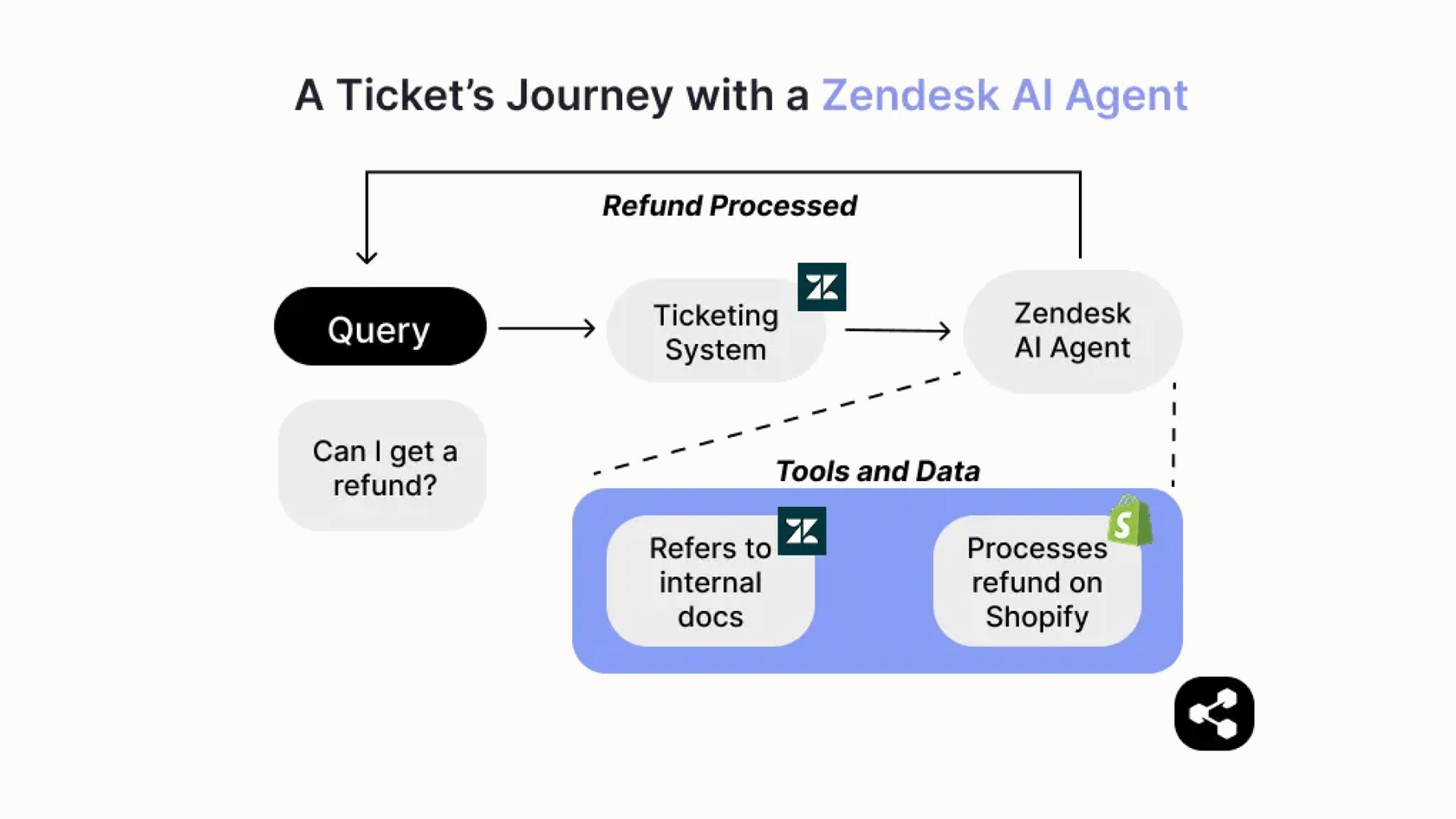
The Shopify Partners ecosystem is one of Shopify’s most underappreciated strengths. Instead of forcing business owners to become experts in everything, Shopify enables a marketplace of verified professionals who specialize in specific growth areas.
Shopify Partners include developers, designers, marketers, SEO specialists, CRO experts, and app builders. This allows businesses to access targeted expertise exactly when needed, without hiring full-time teams.
Shopify Partners Program:
https://www.shopify.com/partners
How Partners Directly Increase Business Profitability
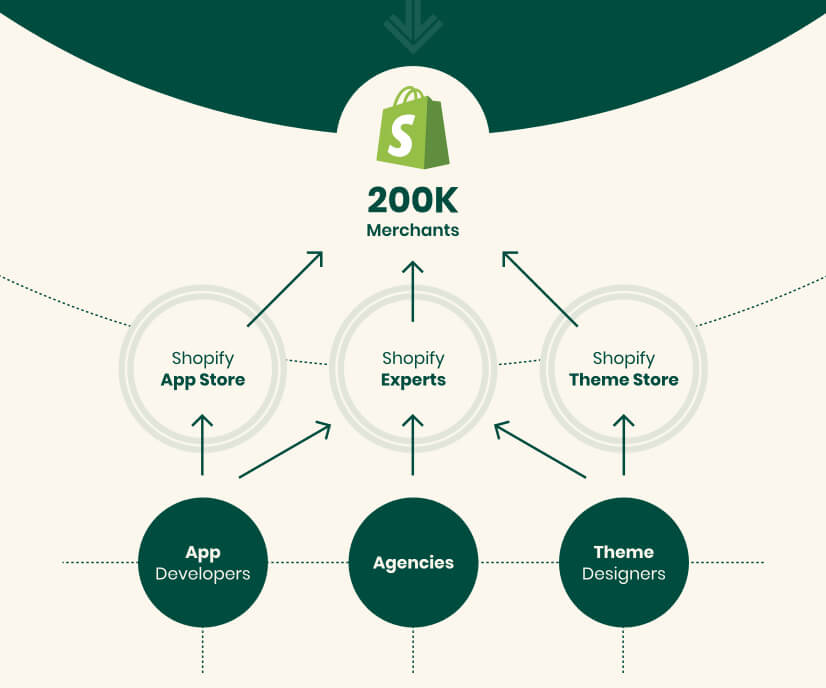
Partners do not just “build stores.” They solve specific revenue-blocking problems. A theme developer improves performance and UX. A CRO specialist increases conversion rates. An SEO partner protects organic traffic during migrations. An app partner automates workflows that reduce operational costs.
This modular expertise model allows businesses to grow in stages. You invest in expertise when it creates measurable returns, not upfront speculation.
Shopify Theme Store: Conversion Optimization at Scale

The Shopify Theme Store is often misunderstood as a design library. In reality, it is a conversion-tested UX framework.
Themes in the Shopify Theme Store are reviewed for performance, accessibility, responsiveness, and best practices. In 2026, themes are optimized for Core Web Vitals, mobile-first commerce, and modular customization.
Shopify Theme Store:
https://themes.shopify.com/
Why Themes Matter More Than Custom Design (A Real Insight)
Many businesses believe custom design equals better branding. In practice, most custom builds underperform because they reinvent solved UX problems. Shopify themes are built using data-backed patterns refined across thousands of stores.
Themes reduce design risk, shorten launch time, and improve early conversion rates—critical for reaching profitability faster.
How Themes, Partners, and Shopify Work Together
The real magic happens when all three elements work together. Shopify provides the stable foundation. Themes deliver optimized user experience. Partners customize and extend functionality where it matters most.
This layered approach prevents overengineering. You start simple, validate your business model, and then invest in customization only when there is proven demand.
2026 Updates That Strengthen This Ecosystem
Shopify has significantly strengthened its ecosystem in 2025–2026 by:
-
Improving theme flexibility with modular sections
-
Expanding AI-assisted content and store management
-
Enhancing partner APIs and app quality controls
-
Supporting headless and composable commerce without breaking stability
These updates make Shopify more adaptable without sacrificing reliability.
Shopify developer documentation:
https://shopify.dev/
Common Mistakes Shopify Helps You Avoid
Many online businesses fail due to poor infrastructure decisions, plugin overload, or untested design experiments. Shopify’s ecosystem actively prevents these mistakes by enforcing standards and guiding best practices.
Themes limit poor UX decisions. Partners follow Shopify guidelines. The platform itself enforces performance and security baselines.
Real-World Business Scenarios Where Shopify Excels
Shopify is particularly effective for:
-
First-time founders launching MVP stores
-
Growing DTC brands scaling globally
-
Content-driven commerce businesses
-
Subscription and repeat-purchase models
-
Businesses transitioning from marketplaces to owned platforms
In each case, Shopify reduces friction and accelerates learning cycles.
Conclusion
Shopify’s true power lies not in individual features, but in its integrated ecosystem. By combining a stable platform, expert partners, and conversion-optimized themes, Shopify helps businesses solve real-world problems that block profitability.
In 2026, successful online businesses are not those with the most features—but those with the least friction. Shopify’s ecosystem is designed precisely for that purpose.


