
Best Shopify Tools & Software for Growth in 2026: SEO, Dropshipping, Automation & Integrations
 Deepak Kharware
Introduction: Why Shopify Tools Matter in 2026
Running a successful store on Shopify in 2026 is no longer just about launching a website. Growth now depends on using the right Shopify tools for dropshipping, SEO, marketing automation, and integrations. With increasing competition, store owners need smart software that saves time, improves visibility, and increases conversions.
This guide explains the most important Shopify tools, how they work, and how to use them strategically for long-term growth.
Shopify Tools: The Foundation of a Scalable Store

Shopify tools are built-in and third-party features that help manage products, orders, customers, analytics, and marketing. These tools allow store owners to operate efficiently without needing complex technical skills.
Shopify’s ecosystem gives access to thousands of apps through its App Store, enabling store owners to customize functionality based on business needs. You can explore Shopify’s official tools and ecosystem here:
👉 https://www.shopify.com/tools
Shopify Dropshipping Software: Automating Product & Order Flow

Shopify dropshipping software helps automate product imports, pricing updates, and order fulfillment. Instead of manually handling orders, the software syncs your store with suppliers and processes orders automatically.
This automation reduces errors, saves time, and allows sellers to scale faster. Shopify officially supports dropshipping workflows, which you can learn more about here:
👉 https://www.shopify.com/dropshipping
Shopify Marketing Automation: Convert More With Less Effort

Shopify marketing automation allows store owners to automate emails, abandoned cart recovery, customer segmentation, and post-purchase follow-ups. Automated workflows ensure customers receive the right message at the right time without manual intervention.
Marketing automation helps improve conversion rates and customer retention. Shopify explains its automation features in detail here:
👉 https://www.shopify.com/marketing/automation
Shopify Theme Detector: Analyze Competitor Store Designs

A Shopify theme detector helps identify which theme a competitor’s store is using. This is useful for inspiration, UX research, and understanding layout strategies that work in your niche.
Theme detection supports competitive analysis and faster design decisions. Shopify’s theme system and customization options are detailed here:
👉 https://themes.shopify.com
Shopify App SEO: Optimizing Apps for Better Performance
Shopify app SEO focuses on optimizing apps used in your store so they don’t negatively impact performance or search rankings. Lightweight, well-optimized apps improve site speed and user experience, both of which are important ranking factors.
Choosing SEO-friendly apps ensures your store remains fast and compliant with Google’s Core Web Vitals. Shopify’s app best practices can be found here:
👉 https://www.shopify.com/apps
Shopify Store SEO: Rank Higher on Google in 2026
Shopify store SEO includes optimizing product pages, collections, URLs, meta tags, images, and site speed. Shopify is SEO-friendly by default, but proper optimization is essential to compete in organic search.
Content-driven SEO, clean structure, and internal linking play a major role in rankings. Shopify’s official SEO guide explains this clearly:
👉 https://www.shopify.com/blog/shopify-seo
Shopify Integration With HubSpot: CRM Meets eCommerce
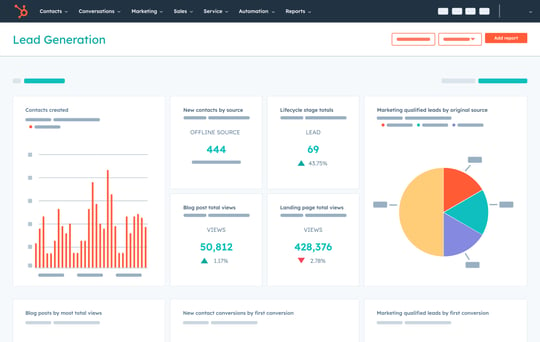
Shopify integration with HubSpot connects your store with advanced CRM, email marketing, and customer analytics tools. This integration allows businesses to track customer behavior, manage leads, and personalize marketing campaigns.
By syncing Shopify data with HubSpot, businesses gain deeper insights into customer journeys. Shopify officially supports this integration here:
👉 https://ecosystem.hubspot.com/marketplace/apps/shopify
How These Shopify Tools Work Together
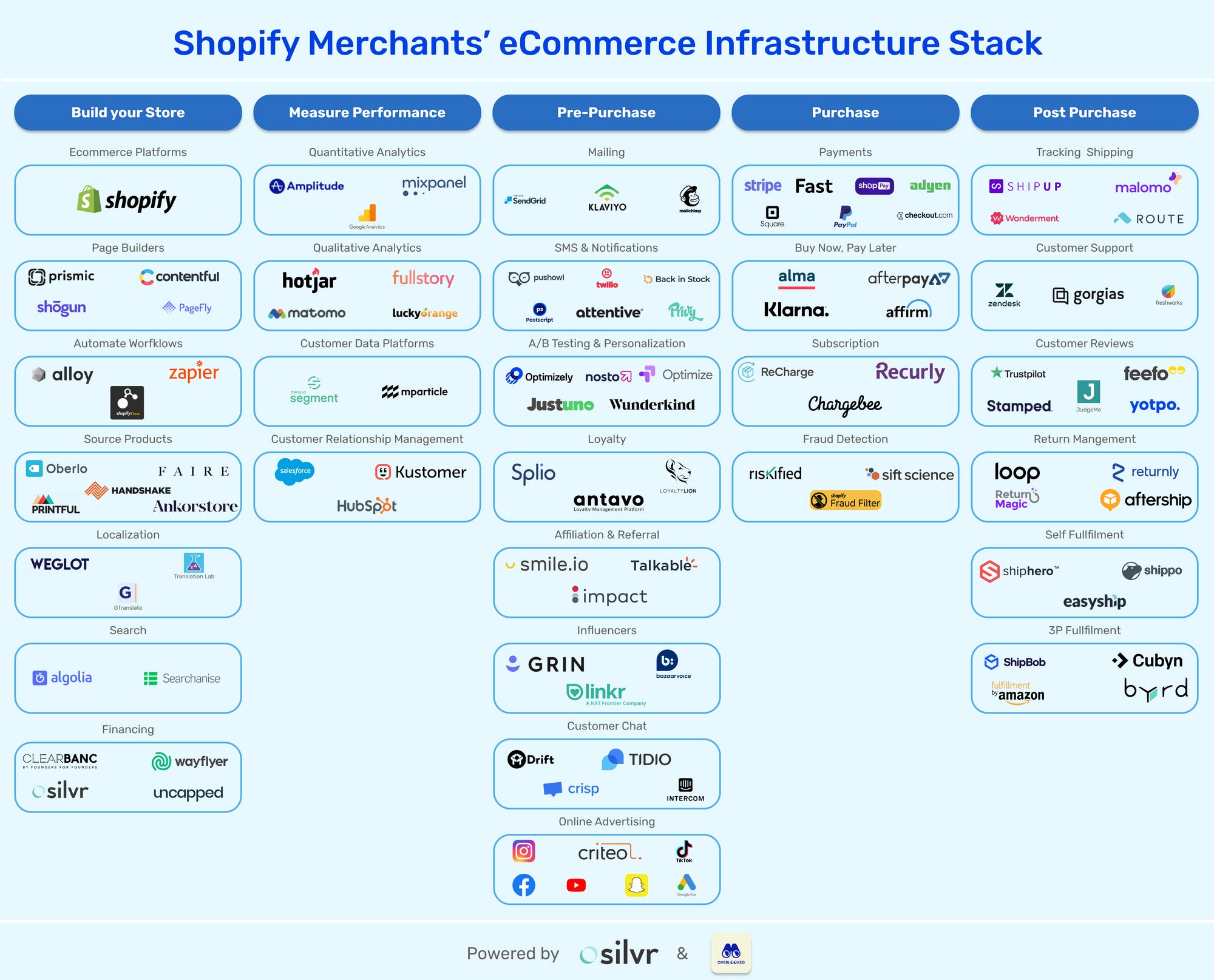
When combined, Shopify tools create a powerful growth ecosystem. Dropshipping software handles fulfillment, SEO tools drive traffic, marketing automation improves conversions, and CRM integrations manage customer relationships.
Using the right combination of tools helps store owners move from basic selling to scalable eCommerce operations.
Final Thoughts: Choosing the Right Shopify Tools in 2026
Shopify tools are essential for building a competitive, scalable, and profitable online store in 2026. Instead of using too many apps, focus on high-quality tools that improve SEO, automate marketing, and enhance customer experience.
A well-optimized Shopify store powered by the right tools can outperform competitors while remaining fast, secure, and user-friendly.


