
Top Shopify Trends & Strategies for 2026: A Complete Guide for Store Owners & Developers
 Deepak Kharware
The Shopify ecosystem is evolving faster than ever. In 2026, running a successful Shopify store is no longer just about adding products and running ads. Store owners and developers now need to think about performance, trust, personalization, automation, and future-ready architecture.
This guide breaks down the most important Shopify trends and strategies for 2026, not from a hype perspective, but from a practical, problem-solving viewpoint. Whether you are a merchant planning growth or a developer building modern Shopify solutions, this article will help you understand where Shopify is heading—and how to stay ahead.
https://www.shopify.com/editions/winter2026
Why Shopify Trends Matter More in 2026
In 2026, eCommerce competition is intense. Customers compare experiences, not just prices. Google prioritizes fast, trustworthy, and helpful stores. At the same time, Shopify is investing heavily in APIs, headless commerce, AI, and automation.
Ignoring these shifts leads to:
-
Poor SEO visibility
-
Slower storefronts
-
Lower conversion rates
-
Technical limitations during scaling
Understanding Shopify trends is no longer optional—it’s a survival strategy.
How to Increase Shopify Sales in 2026: Proven Strategies to Grow Traffic, Conversions & Revenue
Headless & Composable Commerce Goes Mainstream
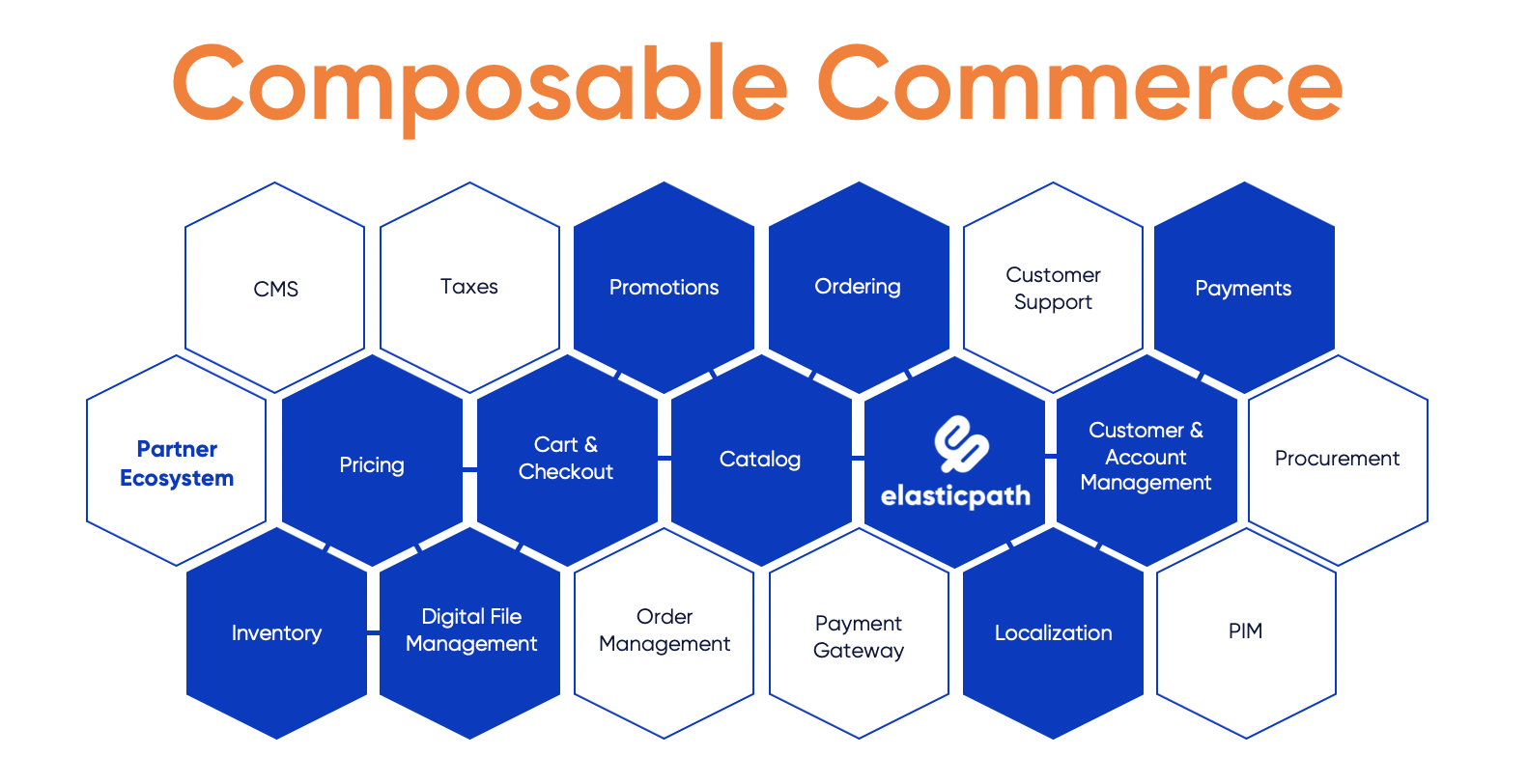
Headless Shopify is no longer limited to enterprise brands. In 2026, more mid-size and content-heavy stores are adopting headless or hybrid setups to gain better speed, UX control, and flexibility.
Shopify’s official tools like Hydrogen and Oxygen have made headless development more accessible, reliable, and SEO-friendly. Developers now treat Shopify as a commerce backend, while the frontend is optimized for experience and performance.
Why it matters:
Faster load times, better Core Web Vitals, and future-proof architecture.
Reference:
https://www.shopify.com/enterprise/headless-commerce
Performance & Core Web Vitals as a Growth Strategy
Speed is no longer a technical concern—it’s a revenue factor. In 2026, Google rankings and conversion rates are closely tied to real user performance metrics, especially on mobile.
Shopify merchants are increasingly:
-
Removing heavy apps
-
Choosing lightweight themes
-
Optimizing images and scripts
-
Using modern rendering strategies
Developers are expected to build performance-first storefronts, not feature-heavy ones.
Reference:
https://web.dev/vitals/
AI-Driven Personalization & Automation
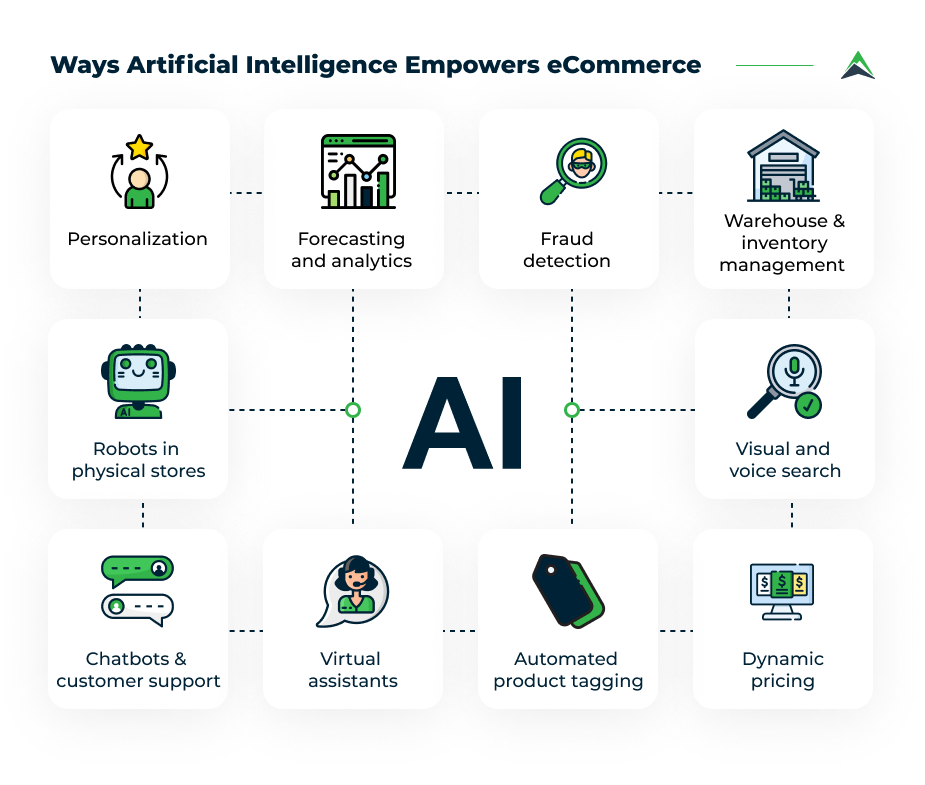
AI is no longer just for content writing. In 2026, Shopify stores use AI to:
-
Personalize product recommendations
-
Optimize email and SMS campaigns
-
Predict inventory demand
-
Automate customer support
-
Analyze customer behavior
Shopify and its app ecosystem increasingly rely on AI to reduce manual work and improve decision-making for merchants.
Key shift:
AI supports humans—it doesn’t replace strategy.
Reference:
https://www.shopify.com/blog/ai-ecommerce
SEO Becomes Trust-Focused, Not Keyword-Focused
SEO in 2026 is about trust, usefulness, and experience, not tricks. Shopify stores that rank well focus on:
-
Helpful product and collection content
-
Real business information
-
Clear policies and transparency
-
Clean site structure
-
Fast performance
Thin content, copied descriptions, and over-optimized pages are filtered out faster than ever.
Reference:
https://developers.google.com/search/docs/fundamentals/creating-helpful-content
Shopify APIs & Developer-First Growth

For developers, 2026 is about API-driven Shopify development. Admin API, Storefront API, webhooks, and Shopify Functions are now core building blocks.
Shopify Admin API vs Storefront API – Which One Should You Use in 2026?
Developers are expected to:
-
Build secure backend logic
-
Avoid frontend API misuse
-
Use GraphQL efficiently
-
Design scalable systems
This shift allows Shopify to support complex use cases without breaking platform stability.
Reference:
https://shopify.dev/docs
Checkout, Payments & Trust Optimization
Shopify continues to dominate checkout reliability. In 2026, merchants focus less on redesigning checkout and more on reducing friction before checkout.
Trust elements such as:
-
Clear pricing
-
Transparent shipping
-
Authentic reviews
-
Fast loading pages
have a bigger impact on conversions than visual effects.
Reference:
https://www.shopify.com/checkout
Content-Led Commerce & Brand Authority
Blogs, guides, and educational content are becoming central to Shopify growth. Content helps stores:
-
Rank organically
-
Build authority
-
Educate customers
-
Support product discovery
Stores that treat content as a long-term asset outperform ad-only businesses in 2026.
Common Shopify Mistakes to Avoid in 2026

Many stores still:
-
Install too many apps
-
Ignore mobile UX
-
Rely only on paid ads
-
Skip performance testing
-
Use AI without review
The winning strategy is simplicity + clarity + consistency.
Final Thoughts
Shopify in 2026 is not just a store builder—it’s a commerce platform for long-term growth. Success comes from combining smart strategy, technical discipline, and customer-first thinking.
Store owners who adapt early and developers who build responsibly will lead the next wave of Shopify success.


