
Why Headless Shopify with Hydrogen Is the Future of eCommerce in 2026
 Deepak Kharware
Headless Shopify is no longer just a trend used by large brands—it has become a strategic choice for businesses that want speed, flexibility, and long-term scalability. In 2026, customer expectations are higher than ever. Shoppers expect fast loading pages, smooth navigation, personalized experiences, and consistency across devices. Traditional Shopify themes can deliver solid results, but they also come with structural limits.
This is where Headless Shopify changes the game.
This guide explains what Headless Shopify is, why it matters in 2026, how it works, when you should use it, and how to build it correctly—without hype, confusion, or outdated advice.
What Is Headless Shopify (Plain & Practical Explanation)
Headless Shopify means separating the frontend (what users see) from Shopify’s backend (products, checkout, orders, payments). Instead of using Shopify’s theme system, you build a custom frontend using modern frameworks while Shopify continues to power commerce logic securely.
Shopify becomes the commerce engine, not the visual layer. Your frontend communicates with Shopify using APIs to fetch data and send actions like cart updates and checkout redirects.
Official Shopify overview:
https://www.shopify.com/enterprise/headless-commerce
Why Headless Shopify Matters More in 2026
In 2026, performance and experience directly impact SEO, conversions, and brand trust. Google heavily prioritizes Core Web Vitals, mobile experience, and real user engagement. Headless storefronts often outperform theme-based stores because they are built with modern performance-first frameworks.
Another reason headless matters is experience flexibility. Brands now sell through websites, mobile apps, kiosks, PWAs, and emerging platforms. Headless allows one Shopify backend to power all of these without rebuilding commerce logic.
When You Should (and Should Not) Use Headless Shopify
Headless Shopify is ideal for brands that:
-
Care deeply about performance and UX
-
Run content-heavy or SEO-driven stores
-
Need custom layouts or advanced interactions
-
Plan to scale traffic and global reach
-
Want long-term technical flexibility
However, headless is not always the right choice. Small stores, beginners, or businesses without technical resources may not benefit immediately. Shopify themes are still powerful and easier to manage for many use cases.
The key is intentional adoption, not trend-driven decisions.
How Headless Shopify Works (Architecture Explained)
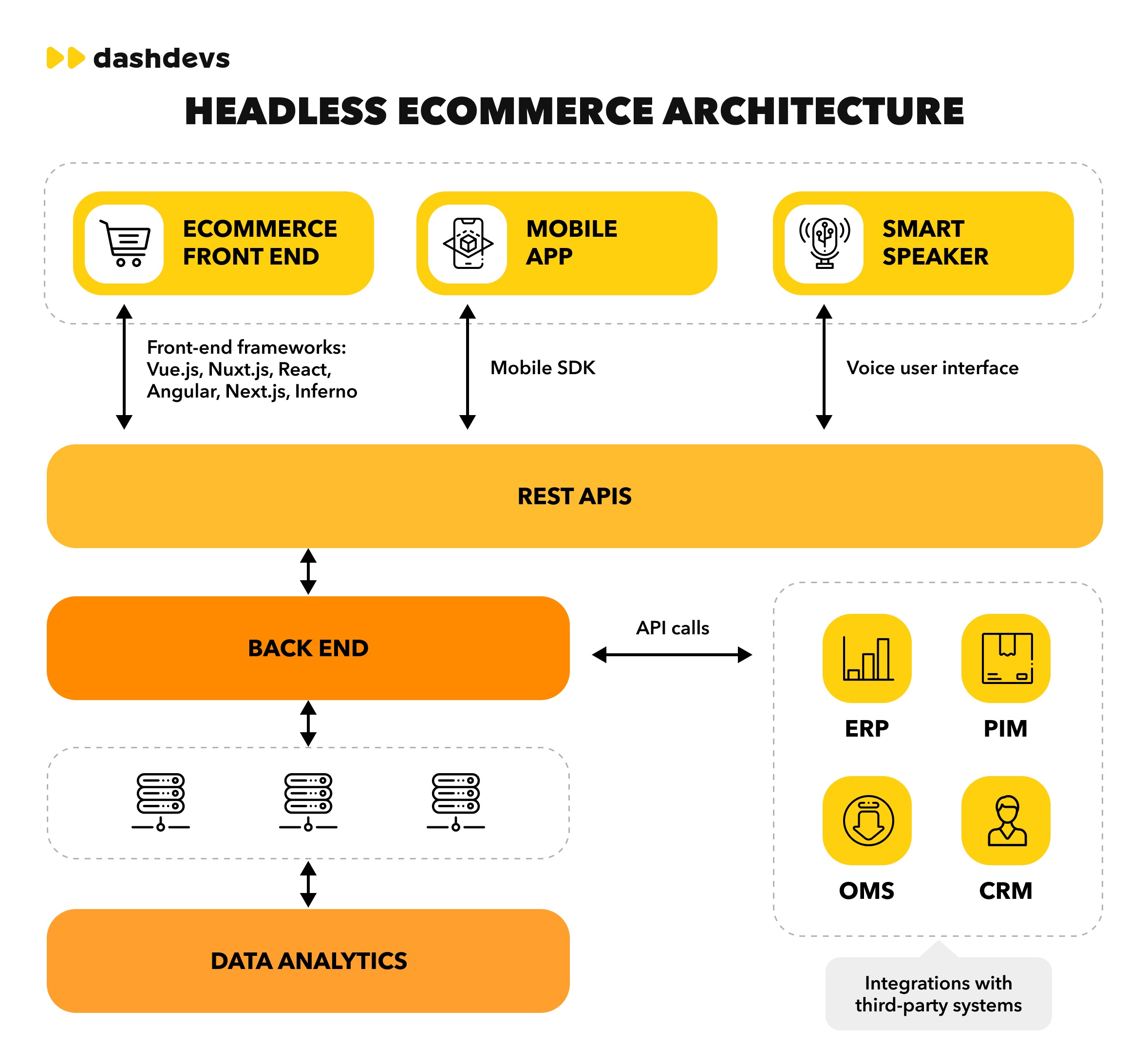
In a headless setup, your frontend sends requests to Shopify’s Storefront API. Shopify responds with structured data such as products, prices, availability, and cart information. When customers are ready to pay, checkout is handled securely by Shopify.
This architecture keeps security and compliance intact while allowing full frontend freedom.
Storefront API documentation:
https://shopify.dev/docs/api/storefront
Shopify Hydrogen: The Official Headless Framework
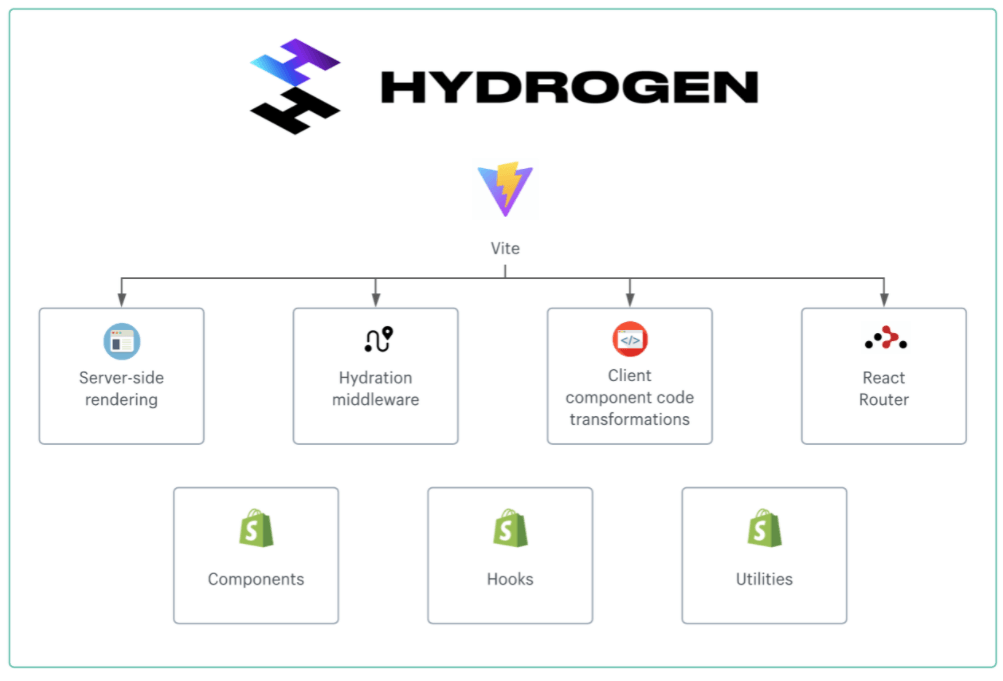
Hydrogen is Shopify’s official React-based framework for headless storefronts. In 2026, Hydrogen is the recommended approach because it is optimized specifically for Shopify data, performance, and SEO.
Hydrogen includes built-in routing, caching, server-side rendering, and SEO helpers. It significantly reduces the complexity that used to make headless intimidating.
Hydrogen docs:
https://shopify.dev/docs/custom-storefronts/hydrogen
Hosting Headless Shopify with Oxygen
Shopify provides Oxygen, an edge hosting solution designed specifically for Hydrogen storefronts. It delivers content close to users globally, improving speed and reliability.
Oxygen simplifies deployment, scaling, and environment management, making headless more accessible than ever in 2026.
Oxygen documentation:
https://shopify.dev/docs/custom-storefronts/oxygen
SEO in Headless Shopify (2026 Reality)
A common myth is that headless hurts SEO. In reality, poor implementation hurts SEO, not headless architecture.
With proper server-side rendering, metadata control, structured data, and internal linking, headless Shopify can outperform traditional stores in search rankings. Faster load times and better UX directly improve engagement metrics that Google values.
Shopify SEO fundamentals:
https://help.shopify.com/en/manual/online-store/seo
Performance & Speed Benefits
Headless Shopify allows developers to control exactly what loads and when. This reduces unnecessary scripts, bloated themes, and render-blocking resources. As a result, headless storefronts often achieve superior Core Web Vitals scores.
In 2026, speed is no longer a bonus—it’s a requirement.
Security & Checkout in Headless Shopify
Even in headless mode, checkout remains fully managed by Shopify. This is a critical advantage. You get custom frontend freedom without sacrificing PCI compliance, payment security, or fraud protection.
Customers are redirected to Shopify’s secure checkout, ensuring trust and reliability.
Common Mistakes to Avoid
Many teams jump into headless without a clear goal. This leads to over-engineering and unnecessary complexity. Another common mistake is trying to replace Shopify checkout or exposing private APIs on the frontend—both serious errors.
Successful headless projects are simple, intentional, and performance-focused.
Future of Headless Shopify Beyond 2026
Shopify continues to invest heavily in composable commerce, APIs, Hydrogen, and developer tooling. Headless is not replacing traditional Shopify—it’s expanding what Shopify can do.
In the future, more brands will adopt hybrid approaches, using headless where it adds value and themes where simplicity is better.
Final Thoughts
Headless Shopify in 2026 is about building stores that are faster, smarter, and ready for the future. It’s not a requirement for everyone, but for brands that care about performance, scalability, and experience, it’s a powerful advantage.
When implemented thoughtfully, headless Shopify delivers the best of both worlds: frontend freedom with backend stability.


